
Blog · Industry
Minimizing Solar Project Delays: Best Practices for EPC's
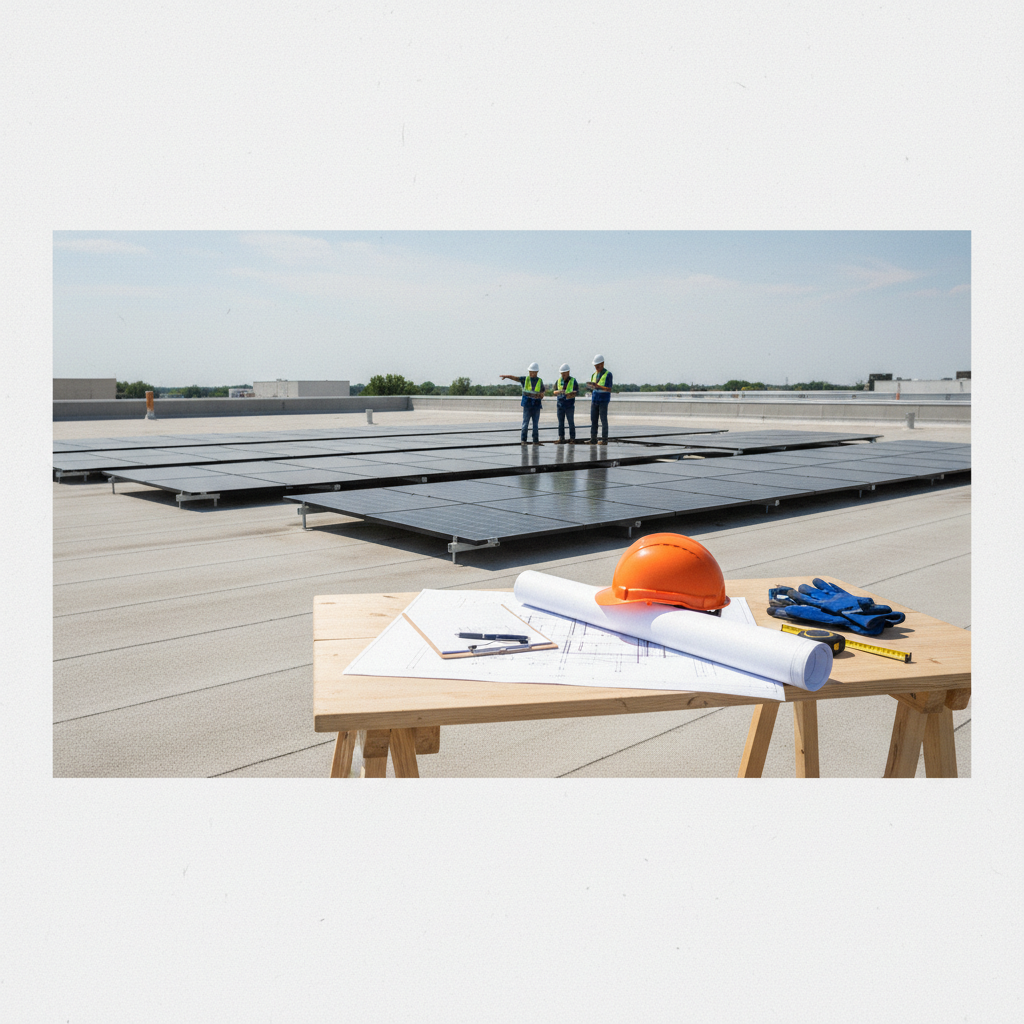
Solar energy projects offer substantial benefits, but project delays are an ongoing challenge. These delays inflate costs, trigger penalties, and erode client trust. For EPCs, effective solar project scheduling and robust project management are not optional. They are critical for profitability and sustained business growth.
This article outlines best practices to minimize project delays. We will focus on proactive strategies and the role of specialized tooling in achieving consistent, on-time project delivery. Understanding and addressing the root causes of delays is the first step toward smoother project execution. We have previously discussed many common challenges that lead to project delays in Solving Common Challenges in Solar Sales: From Inaccurate Designs to Loan Rejections.
The Real Cost of Solar Project Delays
Project delays extend beyond missed deadlines. They impact every facet of your operation. Each day a project is delayed costs money, labor remains on the clock, and equipment sits idle. Client relationships suffer when promised timelines are not met. This can lead to negative reviews, reduced referrals, and even contract cancellations.
Financial Impact of Delays
Delayed projects tie up capital restricting your ability to take on new initiatives. Material storage costs add up and extended equipment rentals cut into margins. These costs accumulate rapidly, turning profitable projects into break-even or loss-making ventures.
Reputational Damage
Your reputation is built on reliability. Consistent delays chip away at that foundation. Word travels fast in our industry and unhappy clients become vocal detractors. This directly impacts future sales pipelines and your ability to secure new projects. Maintaining a strong reputation requires consistent, predictable execution.
Common Causes of Solar Project Delays
Proactive solar project delay prevention starts with identifying and understanding typical delay triggers. Many of these issues surface long before installation begins. Addressing them at the design and sales stage is crucial.
Inaccurate Designs and BOMs
Design flaws are a primary source of delays. An inaccurate Bill of Materials (BOM) leads to missing parts. This halts construction and site preparation often needs rework. These issues can be prevented with precise upfront design validation. Why Are My Solar Designs Inaccurate? Common Pitfalls and How to Avoid Them dives deeper into design accuracy.
Permitting and Interconnection Hurdles
Permitting processes are often complex. Requirements vary by jurisdiction and incomplete or incorrect applications lead to rejection forcing resubmission. Interconnection agreements with utilities also present bottlenecks. Missing documents or failing to meet technical specifications creates significant hold-ups. These processes are largely outside your direct control but can be managed with rigorous preparation.
Supply Chain Issues
Material shortages and shipping delays are ongoing concerns. Panels, inverters, and racking components can experience unexpected lead times. This impacts project timelines directly. Effective inventory management and robust supplier relationships are vital for streamlining solar installation logistics.
Crew Scheduling and Resource Management
Inefficient crew scheduling creates downtime. Overbooking leads to burnout and reduced productivity. Underbooking leaves valuable resources idle. Poor communication between field teams and project managers exacerbates these issues. This underscores the need for centralized project oversight.
Change Orders and Scope Creep
Unforeseen site conditions or client requests often lead to change orders. While sometimes unavoidable, frequent or poorly managed change requests introduce significant rework. Each change order requires reassessment, re-permitting, and re-scheduling. This directly impacts your solar project scheduling.
Financing Rejections
Loan rejections, especially late-stage ones, can bring a project to a complete standstill. This wastes design and sales efforts creating frustration for all parties involved. Proactive financial qualification is essential. Navigating Solar Loan Rejections: Strategies for Finance Partners and Sales Teams offers strategies for mitigating this risk.
Best Practices for Solar Project Delay Prevention
Implementing solar installation best practices requires a systematic approach. From initial client engagement to final commissioning, every step needs meticulous planning and execution.
Implement a Standardized Project Workflow
Establish clear, repeatable processes for every project phase. Define roles and responsibilities. Use checklists for design reviews, permitting submissions, and site safety. Standardization reduces errors and ensures consistency across projects.
Prioritize Accurate Design and Engineering from Day One
Invest in tools that ensure design precision. Your designs drive everything from material orders to structural integrity. Accurate per-panel modeling and instant BOM generation eliminate costly rework. A robust platform should apply a hard gate, blocking flawed deals from advancing before anyone signs. This eliminates issues that create change orders or material shortfalls.
Proactive Permitting and Interconnection Management
Start the permitting process early. Assign a dedicated resource to manage applications and maintain a library of common jurisdictional requirements, and submit complete packages the first time. Communicate regularly with utility providers to monitor interconnection progress and anticipate any potential issues. This diligence minimizes bureaucratic hold-ups.
Robust Supply Chain Planning and Inventory Management
Develop strong relationships with multiple suppliers, monitor lead times actively, and maintain a strategic inventory of critical components. Place orders well in advance and consider contingency plans for essential materials to avoid solar project delay prevention efforts being derailed by external factors.
Optimized Crew Scheduling and Communication
Utilize EPC project management software to optimize crew assignments based on skill sets, availability, and project phases. Implement clear communication protocols between the office and field teams. Daily huddles and digital progress updates keep everyone informed and responsive.
Comprehensive Risk Assessment and Contingency Planning
Identify potential risks at project initiation. These include weather delays, unforeseen site conditions, or equipment failures. Develop contingency plans for each and by having backup solutions in place reduces the impact of unexpected events. A sound risk management strategy is central to effective solar installation best practices.
The Role of Technology in Streamlining Solar Installation
Modern EPC project management software is a powerful ally in minimizing delays. Legacy tools often require manual data entry, leading to errors. A single, integrated platform automates workflows and provides real-time visibility.
Integrated Design and Sales Platforms
Platforms that link design directly to sales proposals and financing streamline upfront processes. When designs are accurate, financing proposals are more reliable. This integrated approach ensures that every aspect of the project is aligned from the start. Tools that offer per-panel modeling improve precision and generate a locked BOM preventing last-minute changes.
Real-time Project Tracking and Reporting
Gain full visibility into project status. Track material deliveries, crew progress, and milestone achievements in real time. Dashboards provide instant insights into potential bottlenecks allowing for proactive intervention, helping streamlining solar installation from end-to-end.
Finance Integration and Hard Gates
An integrated platform provides instant, accurate financing options alongside the solar proposal. It applies a hard gate, blocking any deal that doesn't meet lending criteria from advancing. This eliminates late-stage finance rejections and ensures only viable projects move forward. This directly impacts your ability to prevent solar project delays.
The Solentrex Difference: Preventing Delays from the Start
Solentrex offers a unified platform designed to eliminate project delays before they begin. Our system integrates design, sales, and financing into a single, cohesive workflow. This ensures a "locked" deal, where all components are confirmed and accurate from the outset.
Our platform uses per-panel modeling to generate a precise energy production. It uses a hard gate to prevent flawed projects from advancing. Your reps generate accurate, finance-ready proposals in about 3 minutes. This reduces errors, cuts down on change orders, and expedites permitting. From design to financing, Solentrex ensures project viability. This makes solar project scheduling predictable and reliable.
Conclusion: Proactive Measures for On-Time Delivery
Minimizing solar project delays requires a commitment to best practices and the deployment of advanced technology. EPCs must prioritize accurate upfront design, proactive permitting, strong supply chain management, and efficient field operations.
By adopting integrated EPC project management software like Solentrex, you can prevent issues before they escalate. You ensure your projects remain on schedule and on budget. This results in greater profitability, stronger client relationships, and a competitive edge in the market.
Ready to transform your project timelines and boost your bottom line? Explore how Solentrex can help you deliver solar projects on time, every time. Visit our website to schedule a demo today.
Frequently asked questions
What is a 'hard gate' in solar project management?
A hard gate is a system feature that automatically blocks projects from advancing if they contain critical flaws, such as inaccurate designs or unviable financing terms. This proactive measure prevents costly delays and rework later in the project lifecycle.
How do inaccurate designs contribute to project delays?
Inaccurate designs lead to incorrect Bills of Materials, necessitating re-orders of parts, site rework, and potential re-permitting. This creates significant delays and increased costs during the installation phase.
Can software truly prevent solar project delays?
Yes, integrated EPC project management software can significantly reduce delays by automating design accuracy, validating financing terms, streamlining permitting submissions, and providing real-time project tracking. This proactive approach minimizes errors and ensures projects proceed smoothly.
What are the biggest financial impacts of solar project delays?
Financial impacts include increased labor costs for extended timelines, equipment rental fees, material storage costs, missed interconnection penalties, and reduced cash flow due to delayed project completion and payment.
Why is local market knowledge important for solar project scheduling?
Local market knowledge is essential for navigating specific permitting requirements, understanding utility interconnection processes, and sourcing local talent and materials efficiently. This helps in tailoring 'solar installation best practices' to regional nuances, particularly in areas like Goodyear, AZ.