
Blog · Battery & Storage
The Impact of Solar Storage on Guaranteed Savings and Energy Independence
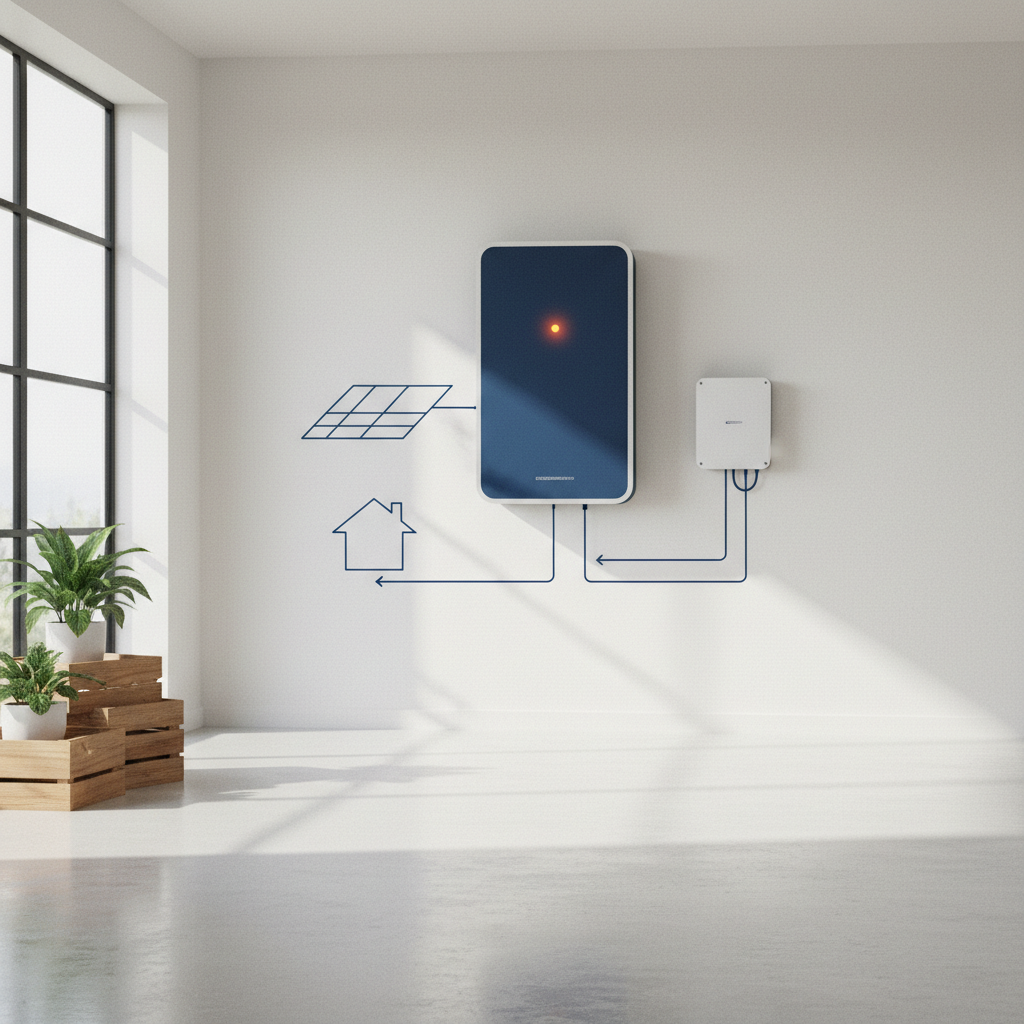
Solar energy systems offer clear advantages. Adding battery storage amplifies those benefits. This article details how solar-plus-storage impacts guaranteed savings and energy independence. Your customers gain more control over their power, and your business delivers stronger, more resilient solutions.
Maximizing Utility Bill Savings with Solar Battery Storage
Solar panels produce electricity when the sun shines. Without storage, excess power often goes back to the grid. This can be less profitable than using it on-site. Guaranteeing Customer Savings in Solar: A Business Imperative Solar battery storage systems capture that excess energy. They hold it for later use. This strategy directly increases utility bill savings.
Time-of-Use Rate Optimization
Many utilities use Time-of-Use (TOU) rates. Electricity costs more during peak demand hours. It costs less during off-peak hours. Solar battery storage allows homeowners to shift energy consumption. They charge batteries when solar production is high and rates are low. They discharge batteries when grid rates are high. This avoids expensive peak-hour electricity purchases. This is a primary driver of `solar battery storage savings`.
Charge during low-cost periods: Use solar or cheap grid power to fill batteries.
Discharge during high-cost periods: Power the home from batteries when grid electricity is expensive.
Net Metering and Battery Storage
Net metering policies vary. Some compensate at a lower rate for exported power than the retail rate. Others may phase out or change. Batteries provide a hedge against these changes. They allow for greater self-consumption. This reduces reliance on grid exports. Your customers maximize the value of every kilowatt-hour their system produces. This directly translates to greater utility bill savings solar.
Achieving Energy Independence with Solar Plus Storage
Energy independence means less reliance on the utility grid. It means more control over your power supply. Solar-plus-storage systems deliver this independence. They provide power during outages and reduce vulnerability to grid fluctuations.
Grid Resilience and Backup Power
Power outages are unpredictable. Storms, equipment failures, or grid overloads can disrupt service. A solar system without batteries goes down with the grid. A solar plus storage system provides backup power. When the grid fails, the system automatically disconnects. It then powers essential loads from the batteries and solar panels. This ensures continuity for critical appliances.
Automatic transition: Systems switch to battery power within milliseconds.
Essential load protection: Keep refrigerators, lights, and medical devices running.
Peace of mind: Customers maintain power even when neighbors do not.
This grid resilience is a major draw for customers. It offers tangible security. It also allows for greater energy independence solar, ensuring homes remain powered regardless of external grid conditions.
Reducing Reliance on the Utility Grid
With sufficient battery capacity, a home can significantly reduce its grid interaction. Some systems can even operate almost entirely off-grid. This level of energy independence solar gives homeowners ultimate control. They generate and store their own power. They use the grid as a backup, not a primary source. This autonomy is a strong selling point for many.
The Financial Case: Solar Plus Storage ROI
Evaluating the solar plus storage ROI involves more than just utility bill savings. It includes the value of backup power, increased property value, and eligibility for incentives. Advanced Tools for Calculating Accurate Solar ROI and Payback Periods Your proposals must capture this full value.
Federal and State Incentives
Government incentives can significantly improve the solar plus storage ROI. The federal Investment Tax Credit (ITC) applies to solar panels and often to batteries charged primarily by solar. Many states and local utilities offer additional rebates or performance payments for storage. These programs make battery systems more accessible and financially attractive.
Federal ITC: A substantial credit for solar and eligible storage.
State and local programs: Varies by region, research what's available.
Increased Property Value
Homes with solar-plus-storage systems often command higher resale values. Buyers recognize the benefits of lower utility bills, energy independence, and backup power. This added value contributes to the overall solar plus storage ROI. It's a long-term asset that pays dividends.
Modeling Comprehensive Savings
Accurately modeling the ROI requires sophisticated tools. Your sales teams need to show the full financial picture. This includes:
Energy bill offsets: Direct savings from self-consumption.
TOU optimization: Savings from shifting consumption.
Incentives: Upfront and ongoing financial benefits.
Resilience value: Quantifying the cost of outages avoided.
Building Customer Trust in Solar: The Role of Transparent Savings Projections A robust platform presents these numbers clearly. It quantifies the value of grid resilience. It shows the solar battery storage savings over the system's lifespan. This builds trust with your customer. It allows them to understand the deeper value of solar-plus-storage. This is how you guarantee customer savings.
Integrating Storage into Your Sales Process
Selling solar-plus-storage requires a different approach than just solar. Your sales teams need to articulate the unique benefits clearly. This means understanding customer pain points related to grid reliability and energy costs. Training Your Solar Sales Team to Sell Guaranteed Savings with Confidence
Identifying Customer Needs
Not every customer has the same needs. Some prioritize maximum utility bill savings solar. Others are focused on grid resilience solar. During your consultation, ask questions to uncover these priorities:
"How often do you experience power outages?"
"Are you concerned about rising electricity rates or TOU changes?"
"What appliances are essential during a power outage?"
Understanding these needs allows you to tailor your proposal. It emphasizes the specific benefits most relevant to that homeowner.
Explaining System Functionality
Customers need to understand how the system works. Explain it in plain language:
Charging: Solar panels charge the battery during the day.
Discharging: The battery powers the home when solar is insufficient or rates are high.
Backup: The system isolates the home from the grid and powers essential loads during an outage.
This demystifies the technology. It builds confidence in the solution. Our platform provides per-panel modeling. This shows exactly how the system will perform. It calculates exactly what the customer will save. This is not an estimate. These are locked numbers.
The Hard Gate: Ensuring Feasible Solar Plus Storage Projects
Complex systems like solar-plus-storage require precise design and accurate financial modeling. Mistakes here lead to dissatisfied customers and lost profits. Your process needs a hard gate. This blocks a flawed deal from advancing before anyone signs. This ensures every solar plus storage project is viable. How Preventing Flawed Deals Protects Your Reputation and Profitability
Preventing Undersized or Oversized Systems
An undersized battery system will not meet the customer's energy independence goals. An oversized system adds unnecessary cost. Your platform must calculate the optimal battery size. This is based on energy consumption patterns, critical load requirements, and desired backup duration. It prevents errors that impact solar battery storage savings and customer satisfaction.
Accurate Financial Projections
Misleading financial projections erode trust. They also lead to cancellations. The platform must provide precise solar plus storage ROI calculations. It accounts for all variables: system costs, incentives, utility rates, and energy consumption. This locked number proves the guaranteed savings. This provides transparency and protects your reputation.
Conclusion: Strengthen Your Offer with Solar Plus Storage
Integrating solar battery storage into your offerings enhances your value proposition. You provide solutions that deliver greater solar battery storage savings and unmatched energy independence solar. Your customers gain control, resilience, and substantial financial benefits. By accurately modeling these systems and employing a hard gate, your business secures its profitability and builds lasting trust. This is how you meet the market's demand for robust, reliable, and truly independent solar solutions.
Frequently asked questions
How does solar battery storage increase utility bill savings?
Solar battery storage increases utility bill savings primarily through Time-of-Use (TOU) rate optimization. Batteries store excess solar energy during low-cost periods and discharge it during peak, high-cost periods, avoiding expensive grid electricity purchases. They also maximize self-consumption, reducing reliance on less favorable net metering policies.
What is 'energy independence' in the context of solar plus storage?
Energy independence refers to reducing reliance on the traditional utility grid. With solar plus storage, a home can generate and store its own electricity, providing power during outages (grid resilience) and significantly decreasing the amount of electricity purchased from the utility. This gives homeowners more control over their energy supply.
How do I calculate the ROI for solar plus storage?
Calculating the ROI for solar plus storage involves assessing direct utility bill savings, benefits from TOU optimization, applicable federal and state incentives (like the ITC), and the increased property value. It also includes the value of avoided costs during power outages. Accurate modeling tools are essential to quantify these benefits precisely.
Why is 'grid resilience' important for solar customers?
Grid resilience is important because it means the home can maintain power even when the main utility grid goes down. A solar system with battery storage automatically provides backup power to essential loads during an outage, ensuring critical appliances remain operational. This offers security and peace of mind to homeowners.
How does Solentrex help ensure solar-plus-storage projects are viable?
Solentrex employs a 'hard gate' mechanism. This prevents flawed designs or inaccurate financial models for solar-plus-storage projects from progressing. The platform ensures optimal battery sizing, provides precise financial projections with locked numbers, and accounts for all variables to guarantee customer savings and project viability.