
Blog · Battery & Storage
The Growing Demand for Solar + Storage Solutions in 2026
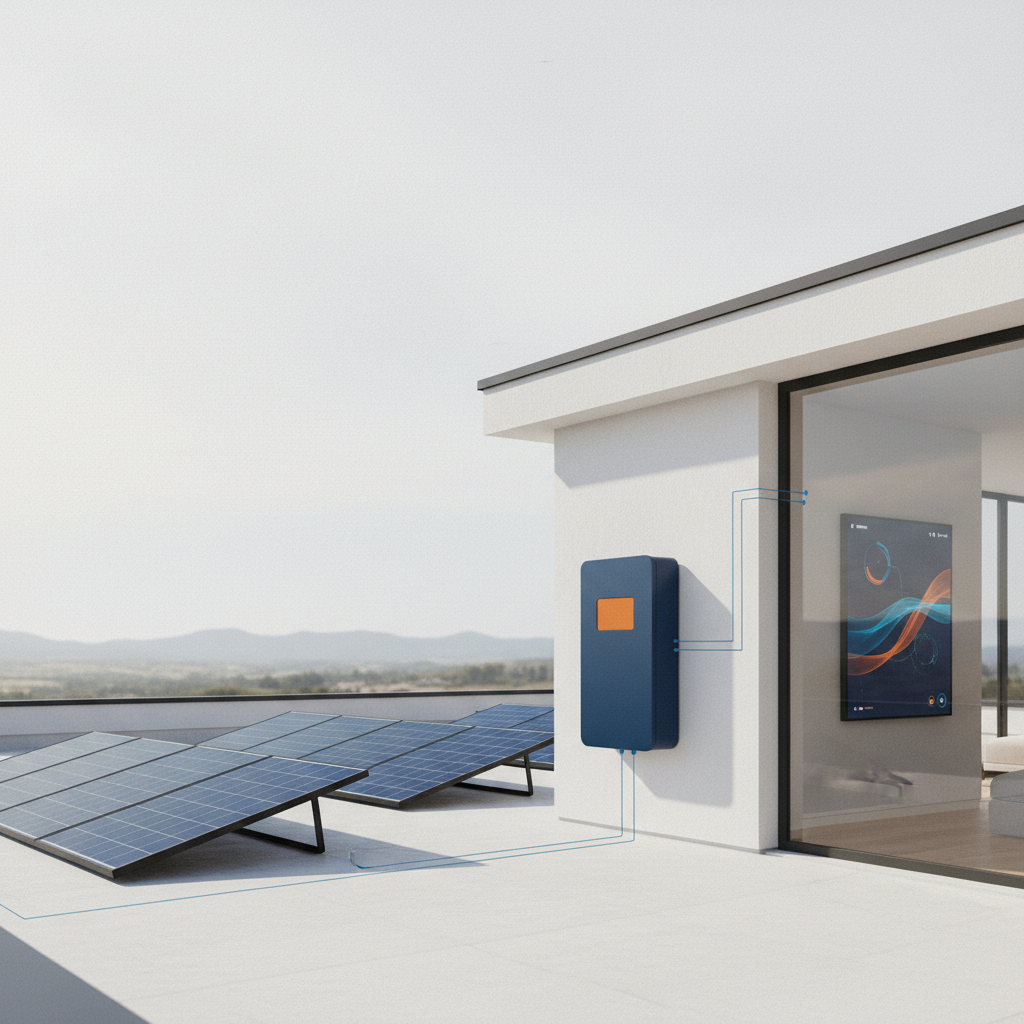
Demand for solar plus storage systems is increasing. Your business needs a clear strategy to meet it. Homeowners want more than just solar panels. They want energy independence and resilience. This article explains how to adapt your operations for the Solar Energy Trends & Forecasts 2026: Preparing Your Business for the Future market.
Understanding Solar Plus Storage Demand 2026
The market for integrated solar and battery storage systems is expanding rapidly. Homeowners are driven by several factors: rising electricity costs, grid instability, and a desire for greater energy control. This creates a significant opportunity for solar companies. You need to prepare your sales, design, and installation teams now.
Key Drivers of Battery Storage Market Trends
Several forces are pushing the battery storage market trends. Understanding them helps you position your offerings.
- Energy Resilience: Power outages are more frequent. Homeowners want backup power. A solar-only system does not provide this. Storage solutions offer uninterrupted electricity during grid failures. This is a primary driver for many customers.
- Cost Savings: While the initial investment is higher, storage allows homeowners to optimize energy usage. They can store excess solar power and use it when grid electricity is expensive, or during peak demand charges. This provides long-term financial benefits.
- Grid Independence Solar: Many customers seek a reduced reliance on the utility grid. Storage systems provide a path toward this. They allow for greater self-consumption of generated solar energy. This appeals to homeowners who value autonomy.
- Technological Advancements: Battery technology is improving. Costs are coming down. Efficiency is going up. These advancements make storage solutions more attractive and accessible to a wider market. Improved warranties also build customer confidence.
- Policy and Incentives: Government policies and incentives play a role. Tax credits, rebates, and virtual power plant programs encourage storage adoption. These programs lower the financial barrier for homeowners. Stay updated on these changes to inform your customers effectively.
Adapting Your Business for Resilience Solar Solutions
Meeting the demand for resilience solar solutions requires changes across your business. This is not just an add-on. It's a core offering. Your processes must reflect this.
Sales Strategy: Educating for Integrated Solutions
Your sales team must shift their approach. They need to sell the value of integration, not just solar. This means understanding customer pain points related to power outages and high utility bills.
- Lead Qualification: Identify customers who prioritize resilience and energy independence. Ask about their concerns regarding power outages or fluctuating energy costs. These are prime candidates for solar plus storage.
- Value Proposition: Articulate the benefits clearly. Focus on backup power, savings from time-of-use optimization, and increased self-sufficiency. Use simple, direct language. Avoid jargon. Explain how storage works with solar to deliver these benefits.
- Financial Modeling: Present clear financial projections for combined systems. Show the payback period and total savings. Compare it to a solar-only system. Our platform models per-panel production. It also models storage discharge and charge cycles. This gives a precise financial picture.
- Objection Handling: Train your reps to address common concerns. These include battery lifespan, safety, and upfront cost. Provide data-backed answers and successful case studies. Leveraging AI and Automation in Solar Sales for 2026 Competitive Advantage discusses tools that can help streamline this process.
Design and Engineering: Optimizing for Home Energy Management Systems
Integrating storage adds complexity to design. Your engineering team needs tools and training to manage this effectively. This is where Emerging Solar Technologies 2026: What Installers Need to Know becomes crucial.
- Load Assessment: Conduct thorough load assessments. Understand the homeowner's critical loads during an outage. This determines battery sizing. Don't guess. Use real data.
- System Sizing: Size the solar array and battery bank together. Ensure the solar array can recharge the battery. Ensure the battery can meet critical loads. Oversizing or undersizing leads to customer dissatisfaction.
- Inverter Compatibility: Select inverters compatible with both solar and battery storage. Understand grid-tied, off-grid, and hybrid configurations. Each has specific requirements.
- Home Energy Management Systems (HEMS): Design with home energy management systems in mind. These systems optimize energy flow. They maximize savings and resilience. Show customers how they can monitor and control their energy use. This adds significant value.
- Permitting and Interconnection: Storage adds steps to permitting. Know local codes and utility requirements. This avoids delays. Our platform keeps permitting documents organized and accessible.
Installation Best Practices: Ensuring Safety and Performance
Installation of solar plus storage is more involved. Proper training and strict adherence to safety protocols are non-negotiable.
- Training: Ensure your installation crews are certified for battery storage installation. This includes high-voltage safety and specific manufacturer requirements. Untrained crews lead to costly mistakes.
- Safety Protocols: Follow all safety guidelines. Batteries can be dangerous if mishandled. Implement lockout/tagout procedures. Provide proper PPE. Safety is paramount.
- Commissioning: Thoroughly test the entire system during commissioning. Verify charging, discharging, and backup functionality. Ensure the HEMS communicates correctly. Document all test results.
- Customer Handover: Educate the homeowner on system operation. Explain the HEMS interface. Provide clear instructions for what to do during an outage. Answer all their questions.
The Role of Technology in Meeting Demand
Advanced platforms are essential for managing the complexity of solar plus storage. Manual processes create bottlenecks and errors. You need tools that enforce accuracy.
Our platform integrates design, proposal generation, and financial modeling. It uses a hard gate. This means no flawed deal advances. It stops errors before they cost you money. This protects your margins. It ensures compliance with Navigating 2026 Solar Policy Changes and Incentives for Maximum Profit and other regulations.
It performs per-panel modeling. This accounts for shading and tilt. It accurately predicts output. For storage, it models charge/discharge cycles. It shows true savings.
The platform handles change orders automatically. Changes reflect immediately in pricing and financing. This means your sales reps always present current, accurate numbers. It ensures consistency across your pipeline. This keeps your deals moving.
Conclusion
The demand for solar plus storage solutions is a defining trend for 2026. Businesses that adapt now will capture significant market share. Focus on educating your sales team, optimizing your design processes, and ensuring precise installations. Utilize technology that enforces accuracy and streamlines workflows. Our platform provides the tools to navigate this shift successfully. It allows you to confidently offer integrated solutions, reduce operational costs, and guarantee customer savings.
Ready to equip your business for the future of solar plus storage? Explore how our platform can streamline your operations and solidify your competitive edge. Contact us today for a demonstration.
Frequently asked questions
What is driving the increased demand for solar plus storage systems in 2026?
Homeowners are seeking greater energy resilience due to frequent power outages, want to optimize energy costs, desire more grid independence, and are attracted by improving battery technology and supportive policies.
How should our sales team adjust their approach for solar plus storage solutions?
Sales teams need to focus on educating customers about the integrated value proposition, emphasizing backup power, time-of-use savings, and self-sufficiency, backed by clear financial modeling and effective objection handling.
What are the key design considerations for integrating battery storage with solar?
Design teams must conduct thorough load assessments to determine critical loads, accurately size both the solar array and battery bank, ensure inverter compatibility, and design with home energy management systems (HEMS) in mind for optimal energy flow.
What role do Home Energy Management Systems (HEMS) play in solar plus storage?
HEMS are crucial for optimizing energy flow between solar, storage, and the grid. They maximize savings by managing when energy is stored or consumed, and enhance resilience by intelligently supplying power to critical loads during outages.
How does Solentrex's platform support businesses in meeting this demand?
Our platform enforces a hard gate, preventing flawed deals from advancing by integrating design, financial modeling, and proposal generation. It performs accurate per-panel and storage modeling, and automates change orders, ensuring precise numbers and streamlined workflows.