
Blog · Design
How AI and Machine Learning are Transforming Solar Design and Proposal Generation
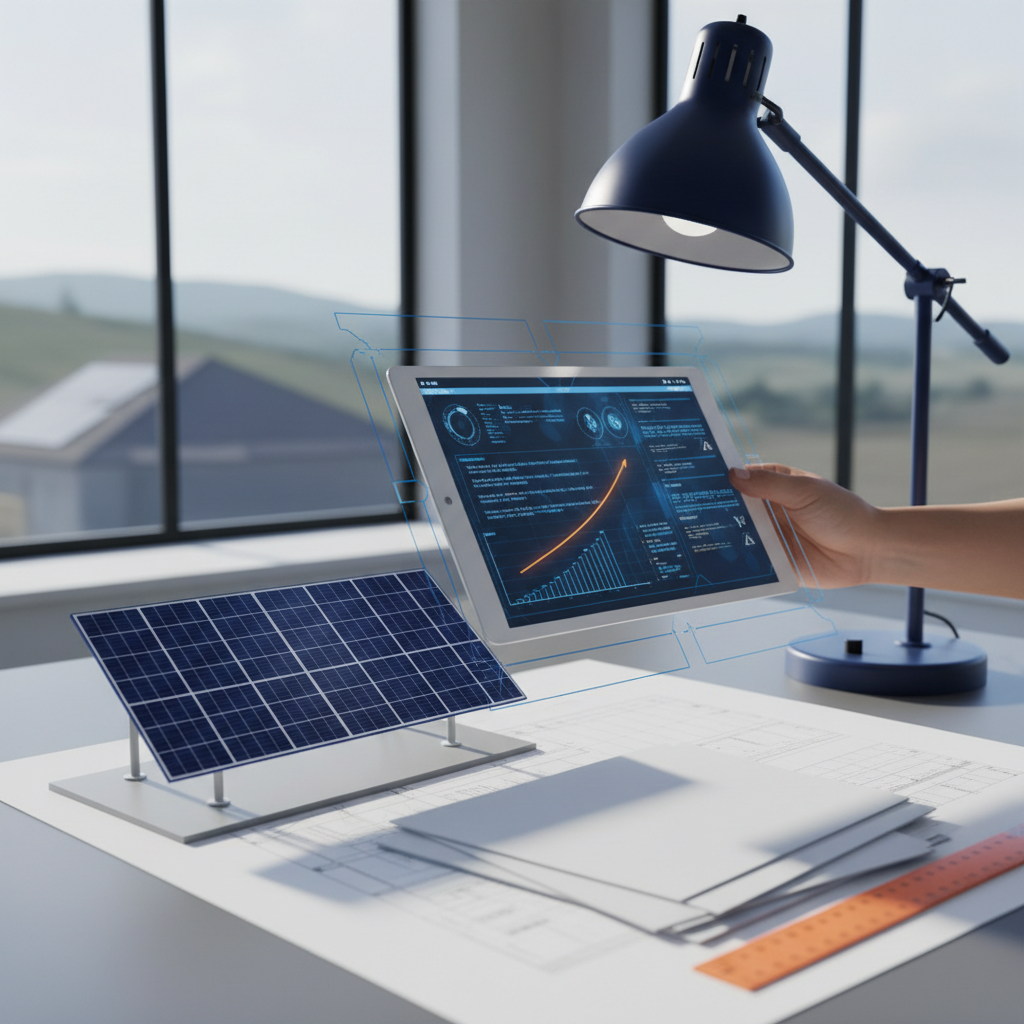
Solar sales demand speed and accuracy. Manual design and proposal processes slow down your sales cycle and introduce errors. These issues directly impact your bottom line. Integrating artificial intelligence (AI) and machine learning (ML) into your operations changes this dynamic. AI and ML are redefining how solar companies approach system design, optimize energy production, and generate proposals.
This article examines the practical applications of AI and machine learning in solar design and proposal generation. We will explain how these technologies deliver precision and efficiency. Your sales reps, EPCs, and finance partners gain a competitive edge by adopting these advanced tools. This shift is part of a larger trend in "The Future of Solar Sales: Innovations in Technology and Customer Experience" The Future of Solar Sales: Innovations in Technology and Customer Experience.
The Limitations of Traditional Solar Design and Proposal Workflows
Traditional solar design involves several manual steps. Site surveys, shading analysis, and system sizing all require significant time. Each step also carries a risk of human error. Design revisions are common. This extends the sales cycle and reduces design accuracy. Generating proposals compounds these issues. Manual quoting, incentive calculation, and savings projections are slow. These processes can lead to inconsistent pricing and missed opportunities. Your team spends more time on administrative tasks than on selling.
AI Solar Design: Overcoming Manual Challenges
AI solar design platforms automate complex calculations. They leverage vast datasets to evaluate site characteristics. This includes roof geometry, shading obstructions, and historical weather patterns. AI processes this information instantly. It generates optimal system layouts. This automation reduces design time from hours to minutes. It also improves accuracy significantly.
Automated Site Assessment and Shading Analysis
AI takes satellite imagery and LiDAR data. It constructs 3D models of your project site. These models are precise. They identify shade obstructions from trees, chimneys, and adjacent buildings. Traditional methods require physical site visits. These are time-consuming and costly. AI delivers this data remotely. It enables faster initial assessments and reduces operational overhead. Your design team accesses accurate data without leaving the office. This speeds up your initial design phase.
Optimized Panel Placement and System Sizing
Machine learning algorithms analyze countless panel layout configurations. They consider factors like roof pitch, azimuth, and available irradiance. The goal is to maximize energy production. The system automatically sizes inverters and battery storage solutions. This ensures compatibility and efficiency. This process generates per-panel modeling. This level of detail is critical for accurate performance predictions. Your team delivers optimal system performance from the start. This leads to higher customer satisfaction.
Predictive Analytics for Performance Forecasting
Predictive analytics solar utilizes historical weather data and energy consumption patterns. It forecasts system performance. This provides accurate energy production estimates. These estimates inform your financial models. Your customers receive reliable savings projections. This data builds trust. It strengthens your value proposition. Learn more about how this technology identifies high-value leads in "The Rise of Predictive Analytics in Solar Sales: Identifying High-Value Leads" The Rise of Predictive Analytics in Solar Sales: Identifying High-Value Leads.
Machine Learning in Solar: Enhancing Accuracy and Efficiency
Machine learning continuously refines system designs. It learns from past project data. It identifies common issues and optimal solutions. This iterative process improves the accuracy of future designs. It reduces the need for manual adjustments.
Dynamic Pricing and Financial Modeling
ML algorithms analyze market data, utility rates, and incentive programs. They calculate accurate system costs and pricing. This ensures your proposals are competitive. It also maximizes profitability. Dynamic pricing adjusts in real-time. This reflects changes in equipment costs or policy updates. Your finance team has precise data for lending decisions. This prevents last-minute adjustments.
Error Detection and Constraint Management
AI systems include built-in hard gates. These gates prevent flawed designs from advancing. They flag errors in panel placement, wiring, or component compatibility. This ensures every design meets regulatory standards and internal quality checks. This proactive error detection saves substantial time and resources. It eliminates costly rework. Your reps present vetted designs every time.
Automated Solar Proposals: Accelerating Your Sales Cycle
Automated solar proposals are generated directly from the AI-optimized design. This eliminates manual data entry. It reduces the risk of transcription errors. Automated proposals include technical specifications, financial breakdowns, and savings projections. This ensures consistency across your sales organization. Your sales reps focus on closing deals, not building proposals.
Customizable Templates and Branding
AI platforms offer customizable proposal templates. Your branding elements are integrated. This creates a professional and consistent look. Reps can personalize messages and highlight specific benefits. This includes integrating battery storage solutions. This personalization enhances the customer experience. Explore this further in "Solar Energy Storage Sales: Integrating Battery Solutions into Your Platform" Solar Energy Storage Sales: Integrating Battery Solutions into Your Platform.
Real-time Updates and Version Control
Proposal generated by AI systems update in real-time. Any design change or pricing adjustment immediately reflects in the proposal. Version control is automatic. This ensures your reps always present the latest information. It also prevents the circulation of outdated documents. This transparency improves internal communication and client trust.
Implementing AI and Machine Learning in Your Solar Business
Integrating these technologies requires a strategic approach. Start with a clear understanding of your pain points. Identify areas where manual processes cause bottlenecks or errors. Pilot programs often begin with design automation. Then they expand into proposal generation. Your team needs proper training. This ensures they maximize the platform's capabilities.
Step-by-Step Implementation
The Solentrex Difference: Streamlined Solar Operations
Solentrex provides an end-to-end platform for solar and battery storage. Our platform leverages AI and machine learning. We automate your design and proposal generation. Your reps get accurate designs in about 3 minutes. Each design includes per-panel modeling. Our hard gates prevent flawed deals from advancing. This eliminates change orders. You reduce operational costs by up to 50%. Your sales efficiency increases. We guarantee customer savings through precise financial models. Our platform operates with three simple steps: design, quote, close. Goodyear, AZ solar companies can benefit from this streamlined approach. This ensures local projects are always optimized.
Conclusion
AI and machine learning are no longer theoretical concepts in solar. They are practical tools that deliver tangible results. They transform manual, error-prone processes into efficient, accurate workflows. Your sales teams accelerate proposal generation. Your EPCs optimize designs. Your finance partners receive precise data. Embrace these innovations to secure your position in the competitive solar market. The future of solar sales is here. It is intelligent, automated, and precise.
Ready to see how AI and machine learning can transform your solar business? Contact Solentrex today for a demo and discover a smarter way to design, finance, and sell solar and battery storage systems.
Frequently asked questions
What is AI solar design?
AI solar design uses artificial intelligence to automate and optimize the creation of solar energy system layouts. It leverages satellite imagery, LiDAR data, and historical information to generate precise 3D models, analyze shading, and determine optimal panel placement, significantly reducing design time and improving accuracy.
How does machine learning enhance solar proposals?
Machine learning improves solar proposals by dynamically calculating pricing, optimizing financial models, and detecting errors in real-time. It learns from past project data to refine predictions and ensures that proposals are competitive, accurate, and comply with all constraints, accelerating the sales cycle.
What is a 'hard gate' in solar design software?
A 'hard gate' is a built-in mechanism within AI solar design software that automatically blocks flawed or non-compliant designs from progressing. It identifies errors in panel placement, wiring, or component compatibility, ensuring every design meets quality standards and regulations before it can be presented or installed.
How quickly can AI generate a solar design?
AI-powered platforms like Solentrex can generate optimal solar designs, including per-panel modeling, in about 3 minutes. This drastically reduces the time compared to traditional manual design processes, allowing sales teams to generate proposals much faster.
Can AI platforms integrate battery storage solutions?
Yes, advanced AI solar design platforms are capable of integrating battery storage solutions directly into the system design. They optimize battery sizing and placement alongside solar panels to ensure maximum efficiency and provide comprehensive proposals that include both solar and storage options.