
Blog · Battery & Storage
Emerging Technologies to Watch: Solar+Storage & Grid Integration in Q4
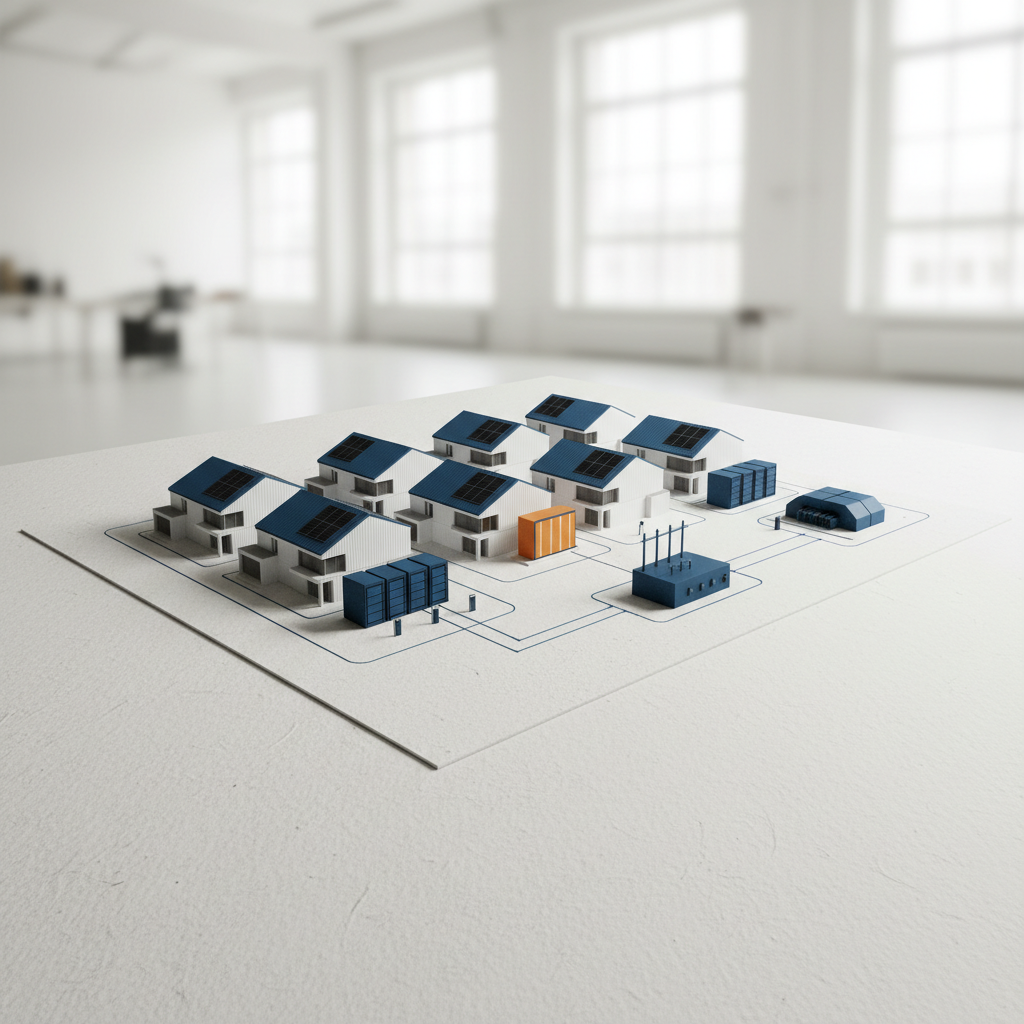
The solar industry changes fast. Your company must adapt to keep winning. In Q4 2026, two areas demand close attention: solar-plus-storage and grid integration. These technologies are not future concepts. They are here now. They define the market. Understanding them is critical to your sales, installation, and financing programs. Stay current or fall behind. This article details the advancements shaping the solar landscape. We offer concrete steps to integrate these innovations into your workflow.
Solar-plus-storage solutions are no longer niche products. They are standard offerings. Grid integration is becoming central to every deal. Customers expect reliability. Utilities demand stability. Your proposals must reflect this reality. The Solar Industry Outlook for Q4 2026: Trends & Strategic Opportunities The Q4 2026 solar outlook highlights these trends. Your strategic planning needs to account for them. This includes your sales pitches, design processes, and finance models.
The Rise of Solar-Plus-Storage: Beyond Backup Power
Solar-plus-storage trends 2026 show a clear shift. Battery systems are integral to solar proposals. They offer more than just blackout protection. They provide energy independence. They enable demand charge management. They allow for participation in grid services. This changes the value proposition for your customers. Your reps must understand these deeper benefits.
Advanced Battery Chemistries and Densities
Battery technology evolves rapidly. Lithium-ion remains dominant. However, new chemistries are emerging. Solid-state batteries promise higher energy density and safety. Flow batteries offer long-duration storage. These innovations mean more power in smaller footprints. They also mean longer lifespans for battery units. This directly impacts system cost and ROI calculations. Your design teams need to track these changes. Performance models must reflect new specifications.
Your proposals must include per-panel modeling. This ensures accuracy and accounts for shading. It considers specific panel output. Then, integrate battery performance. This provides a complete picture. Your financiers need to see guaranteed savings. Accurate modeling delivers this proof point.
Integrated Energy Management Systems
Batteries are smarter now. They come with advanced energy management systems (EMS). These systems optimize charging and discharging cycles. They respond to time-of-use rates. They can dispatch power during peak demand. This maximizes savings for the homeowner. It adds value to your offering. Your sales teams must highlight these smart features. It differentiates your product from basic backup solutions.
These systems also provide detailed interval data. This data confirms system performance. It shows actual savings. Your customers can see their investment paying off. For your finance partners, this data is gold. It validates loan performance. It proves the asset's value. Accuracy here builds trust.
Grid Integration Solar: A New Paradigm for Utilities and Homeowners
Grid integration solar is no longer optional. It is fundamental. Utilities are pushing for distributed energy resources (DERs) to support the grid. Homeowners with solar-plus-storage systems become active participants. This changes the relationship between utilities, customers, and your business.
Virtual Power Plants (VPPs) and Aggregation
Virtual Power Plants are gaining traction. VPPs aggregate many small-scale solar-plus-storage systems. They act as a single, large power plant. This allows homeowners to sell stored energy back to the grid. It offers new revenue streams for your customers. For utilities, VPPs provide flexibility and grid stability. Your sales pitch should include VPP participation. Explain the financial benefits clearly. This can be a strong selling point, especially in Q4 2026.
Developing strong utility relationships is key here. Understand local utility programs. Know their interconnection requirements. This streamlines your project approvals. It ensures your installations are compliant. Navigating Federal & State Solar Incentives in Late 2026 State and federal incentives often support VPPs. Explain these programs to your customers. It adds another layer of savings.
Advanced Inverter Technology and Grid Services
Inverters are smarter and more capable. Modern inverters offer grid-forming capabilities. They can maintain power even when the main grid goes down. They provide voltage and frequency support. This makes solar installations more valuable to the utility. It also improves reliability for the homeowner.
These advanced inverters allow for grid services. This includes demand response and frequency regulation. Utilities pay for these services. This creates additional income for homeowners. Your system designs must leverage these advanced features. Your proposals need to quantify these benefits. This locks in customer commitment. Our platform ensures design accuracy. It creates a hard gate. Flawed designs do not pass. This protects your margins. It protects your reputation.
Microgrids and Resilience
Microgrids solar solutions are growing in popularity. They provide localized energy independence. They are essential for critical infrastructure. They offer resilience during outages. For residential customers, a microgrid means true energy security. This is a significant upgrade from simple backup power. Your high-end customers will value this. Propose microgrid solutions where appropriate.
Consider areas prone to outages. Think about properties with specific resilience needs. This market segment is expanding. Your sales reps need to identify these opportunities. Offer customized microgrid designs. Show the long-term benefits of energy independence.
Integrating Innovation into Your Business Model
Staying competitive means embracing these renewable energy innovations. Your operations must adapt. Your training programs must evolve. This isn't just about selling new products. It's about selling a new vision of energy.
Updating Design and Quoting Processes
Your design tools must handle complex solar-plus-storage systems. They must model battery performance accurately. They need to integrate with EMS data. Our platform does this. It handles per-panel modeling. It accounts for every kilowatt-hour. This ensures precise output predictions. Your quotes will be accurate. Your customers will see reliable savings figures. We enforce a hard gate. Designs with errors are flagged immediately. This prevents costly change orders and maintains your profit margins.
Your reps can generate quotes in about 3 minutes. This includes full financial analysis. This speed allows for more proposals. More proposals mean more closed deals. Efficiency drives growth. Workforce Development & Talent Acquisition Challenges in a Growing Solar Sector Training your team on these new design tools is crucial. Invest in their expertise. This ensures they can sell advanced solutions confidently.
Enhancing Sales and Financing Strategies
Your sales presentations must evolve. Focus on the combined benefits of solar-plus-storage and grid integration. Emphasize energy independence, savings, and resilience. Equip your sales team with tools that model these benefits clearly. Show precise financial projections and close deals.
Financing options must also adapt. Lenders need to understand the value of these integrated systems. They need confidence in the performance data. Our platform provides this data. It backs every claim with locked numbers. This transparency accelerates financing approvals. It gives lenders confidence in their investments. Your pipeline moves faster. Recession-Proofing Your Solar Business: Strategies for Economic Volatility A strong, verified financial model recession-proofs your business. It locks in long-term value for customers and financiers.
Navigating Regulatory and Interconnection Complexities
Grid integration introduces regulatory challenges. Interconnection rules vary by utility and state. Your team must stay current on these policies. Streamline your permitting and interconnection processes. Automate paperwork where possible to reduce delays and improve project timelines. Our system helps manage these complexities. It ensures compliance. This prevents project roadblocks.
Conclusion: Future-Proofing Your Solar Business
Solar-plus-storage and grid integration are defining the future of solar. Embrace these emerging technologies. Integrate them into your core business processes. Equip your teams with the best tools. Ensure your proposals are accurate and compelling. Our platform provides the foundation. It offers per-panel modeling. It generates quotes in about 3 minutes. It enforces a hard gate. This blocks flawed deals. It protects your bottom line. Invest in these advancements. Secure your position in the evolving solar market.
Ready to scale your solar business with advanced technology? Talk to Solentrex today. Discover how our platform streamlines your design, sales, and financing processes. Guarantee customer savings. Boost your efficiency. Start building more profitable solar-plus-storage projects now.
Frequently asked questions
What is solar-plus-storage?
Solar-plus-storage refers to a solar energy system combined with a battery storage unit. This allows homeowners to store excess solar energy generated during the day for use at night or during power outages, offering energy independence and optimized energy consumption.
How does grid integration benefit solar companies?
Grid integration allows solar systems to interact intelligently with the electrical grid. For solar companies, this means offering more valuable solutions like Virtual Power Plants (VPPs), enabling homeowners to earn revenue from grid services, and enhancing system resilience, thus boosting sales and customer satisfaction.
What are Virtual Power Plants (VPPs)?
Virtual Power Plants (VPPs) are networks of aggregated small-scale distributed energy resources, such as residential solar-plus-storage systems. They operate collectively to provide grid services, effectively acting as a single large power plant. This allows homeowners to sell stored energy to the grid and utilities to manage demand more effectively.
How can advanced inverters improve solar installations?
Advanced inverters offer grid-forming capabilities, meaning they can maintain power during grid outages and support grid stability. They also enable participation in grid services like demand response. This makes solar installations more reliable for homeowners and more valuable to utilities, creating additional revenue opportunities.
Why is accurate modeling important for solar-plus-storage systems?
Accurate per-panel modeling and integration with battery performance data are crucial for solar-plus-storage systems. This ensures precise output predictions, reliable savings figures for customers, and validated data for financing partners, which builds trust and prevents costly change orders by blocking flawed deals (a 'hard gate').